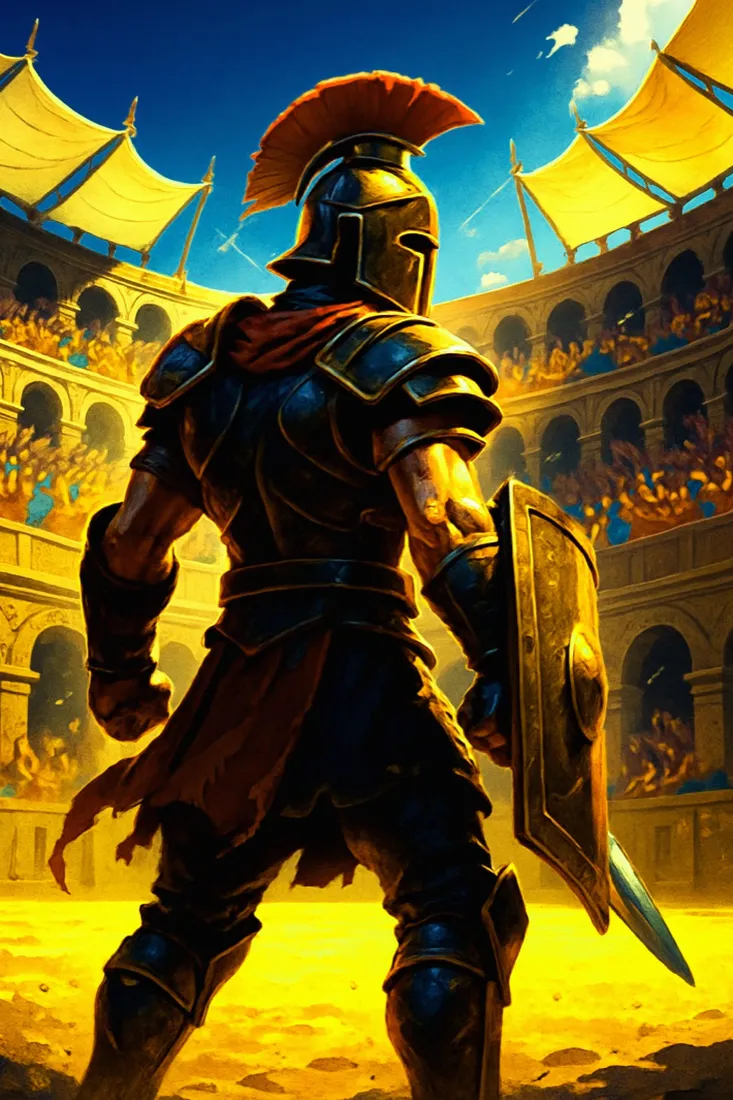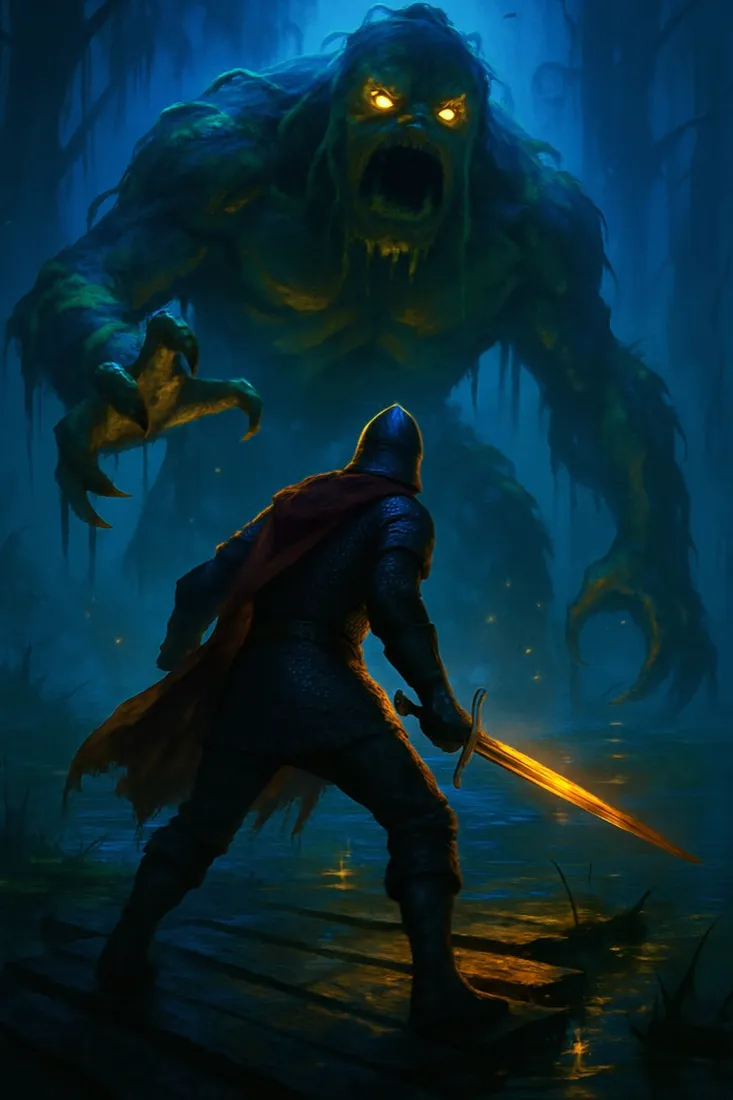
Fallen Sword is a game from the first great wave of browser MMORPGs, and it wears that proudly. Made by Hunted Cow Studios, it is a turn-based fantasy RPG built around a single, satisfying loop: travel to a realm, find creatures, spend stamina to fight them and collect experience and gold. Then do it again, a little more efficiently, a little higher up the ladder.
That might sound narrow, but the game has spent years adding layers on top. There are buffs to plan around, items and quests to collect, dungeons to clear, guild Titans to bring down and trading and auction systems to master. Hunted Cow describes over a thousand levels’ worth of content, and the game now runs on an HTML5 canvas, with an official mobile app for playing on the go.
The hunt, and the art of spending stamina
Hunting is what most Fallen Sword players spend most of their time doing, and the game makes no secret of it. Your stamina is the resource; every fight costs some, and the question is how to turn each point into as much experience and gold as possible. Realms are packed with creatures, and moving through them, picking targets and clearing them is the rhythm of a session.
The pleasure is in the efficiency. A good hunting session is planned: the right equipment, the right realm for your level and the right buffs running. Done well, it feels like tuning an engine. Done badly, you burn stamina for little reward. It is not a game for anyone who wants each fight to be a dramatic event, but for players who enjoy optimisation, it is deeply absorbing.
Buffs, buffs and more buffs
Buffs are the heart of Fallen Sword’s strategy. They boost your character for a set time, usually an hour or two, and the community wiki is blunt about which ones matter for hunting. Adept Learner and Librarian raise the experience you earn. Treasure Hunter and Merchant improve your gold. Doubler makes hunts more efficient, Conserve lets you fight more creatures for the same stamina, and Animal Magnetism can make creatures return after you defeat them.
Because other players can supply buffs, a lively trade has grown up around them, and arranging the right set before a big hunt becomes a social task in itself. Combined with the game’s crafting professions and its trading and auction systems, Fallen Sword has more of a player economy than its simple combat suggests. It is one of the reasons the community has stayed so active for so long.
Guilds, Titans and Legendary creatures
Guilds give Fallen Sword its long-term goals. Members can team up against powerful guild-only enemies, group with friends to defeat Legendary creatures, build and defend structures, and compete against other guilds in Guild versus Guild events. The most memorable of these are the Titans, enormous creatures that stride across the realms and need a guild’s combined effort to bring down.
This structure gives the solitary hunt a purpose. Your personal efficiency feeds into your guild’s strength, and your guild in turn offers buffs, advice and company. The community is one of the game’s acknowledged strengths, and it shows: the chat is busy, veterans are generous with tips, and the variety of community events gives the calendar some shape. We scored it eight for company accordingly.
Looking its age, playing its part
There is no pretending Fallen Sword is a modern-looking game. Its interface is dense, its menus are many, and the first hour can feel like opening a spreadsheet with a fantasy theme. Turn-based fights resolve quickly, which keeps hunting brisk but robs individual battles of tension. Newcomers will want the wiki open, and will need patience while the systems click into place.
Yet Hunted Cow has kept it updated, moved it to modern web technology and given it a mobile app, and the game remains popular. The studio has also been showing off a sequel, which suggests the original’s audience is very much still there. For players who loved the browser MMOs of years past and miss that clear, numerical climb, Fallen Sword is still the real thing.
Your first week on the Fallen Sword trail
- Follow the early quests to learn the map and the basics of hunting before planning anything clever.
- Spend stamina in realms suited to your level; stronger creatures waste stamina if you lose.
- Read the community wiki’s hunting guide to learn which buffs matter most for experience and gold.
- Join an active guild for buffs, advice and a share in Titan hunts and guild events.
- Try the auction systems with spare loot to get a feel for prices before buying gear.
What we love
- A clear, satisfying hunting loop that rewards careful planning
- Buffs and trading create a lively player economy
- Guild Titans and Legendary creatures give the long climb shape
- A loyal, helpful community that has lasted for years
What grates
- The dense, dated interface makes the first hours hard going
- Quick turn-based fights lack drama on their own
- Without a guild, the long hunt can feel repetitive
Whose quest is Fallen Sword?
Fallen Sword is for players who enjoy numbers, efficiency and a long, steady climb in good company. If you remember the classic era of browser MMOs fondly, or simply like optimising a routine until it hums, its hunt will hold you for months.
Fallen Sword at the end of the trail
Fallen Sword is the most traditional game on our list, and that is both its charm and its limitation. The hunt is simple, but buffs, guilds, Titans and trading wrap it in genuine strategy and a community that has stayed loyal for years. The interface is dated and the fights are brisk to the point of blandness. For the right player, though, it remains a classic worth the climb.