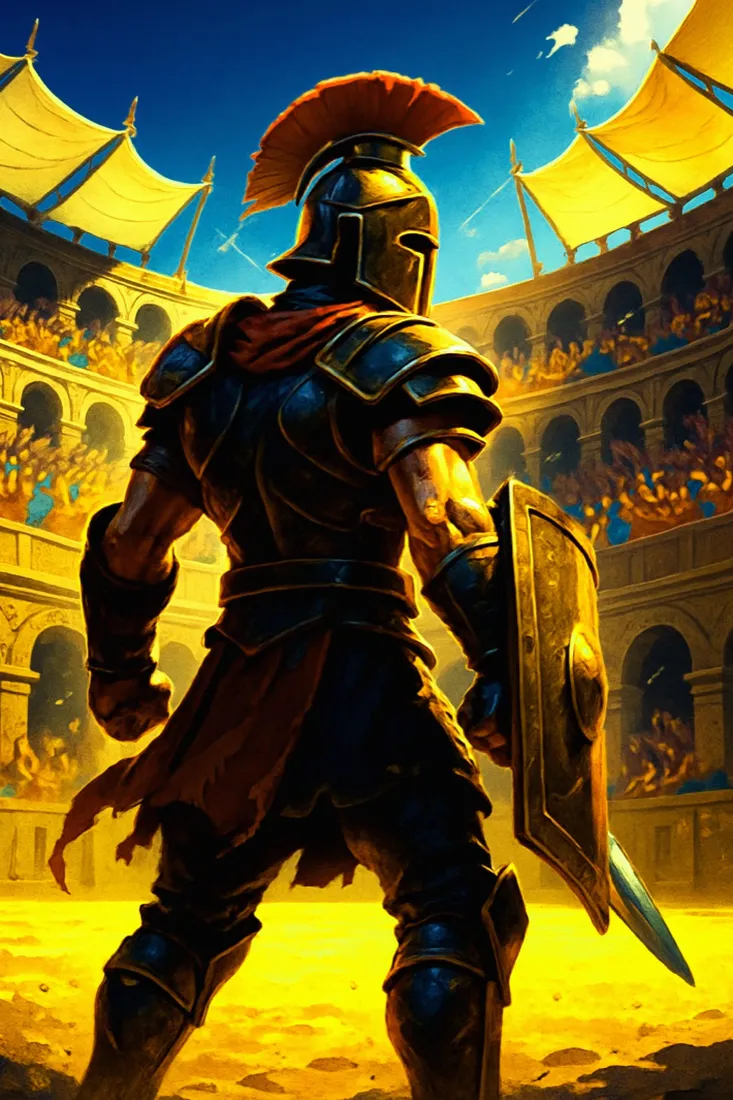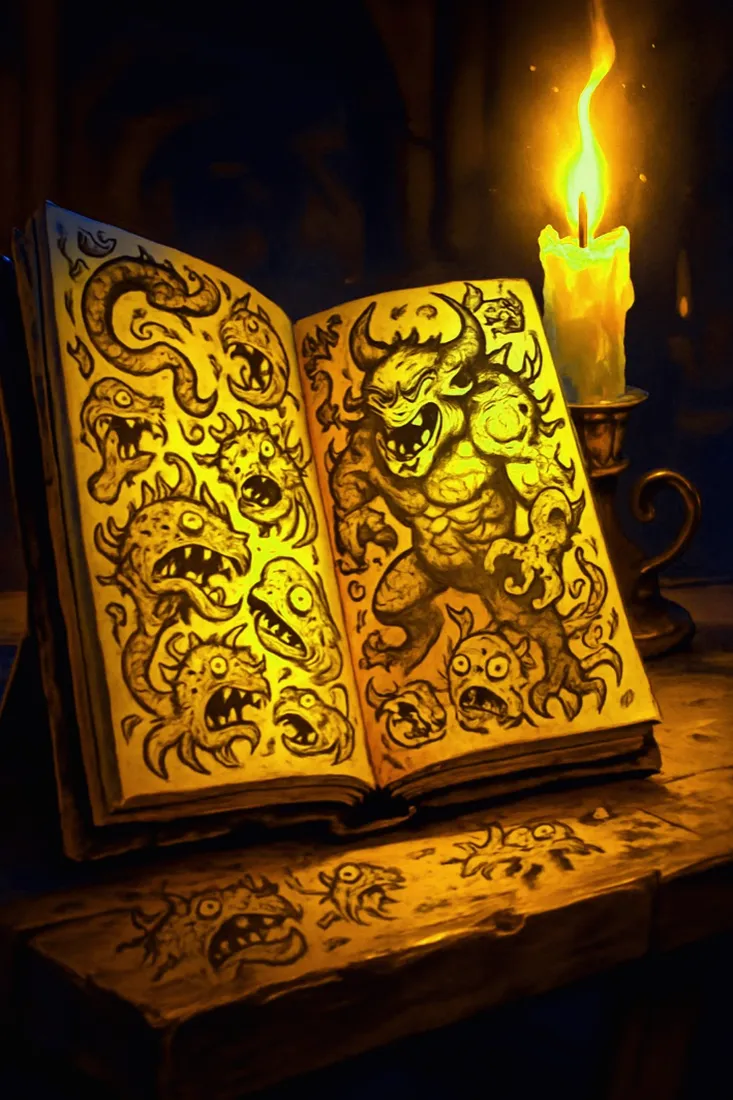
The first thing Kingdom of Loathing asks you to do is choose between a Seal Clubber, a Turtle Tamer, a Pastamancer, a Sauceror, a Disco Bandit and an Accordion Thief. It is a joke, and the game is aware that it is a joke. The tagline on the front page is ‘An Adventurer is You!’, the art is hand-drawn stick figures, and the currency is meat. None of that prepares you for how much there is to think about.
Because underneath, this is a turn-based role-playing game of real substance. Each class leans on one of three stats, Muscle, Mysticality or Moxie, and that choice shapes your hit points, your magic, your favoured weapons and your approach to the kingdom’s zones. Every day you get a budget of Adventures, and the whole game is about spending them well. It is a design that turns a short daily visit into a satisfying little puzzle.
A day measured in Adventures, not hours
Kingdom of Loathing does not run on a stamina bar that refills by the minute. It runs on Adventures, a daily allowance that is topped up at the nightly rollover. Each trip into a zone costs one, whether you meet a monster, find a strange choice or stumble into a non-combat scene with a punchline. Equipment and items can push your allowance higher, so even the size of your day becomes something you can improve.
Food and booze matter here in a way they do in no other game on our list. Eating and drinking grant extra Adventures, but your stomach and liver have daily limits, and drinking past your limit leaves you too drunk to adventure for the rest of the day. Fullness and drunkenness reset at rollover. Working out what to eat and drink, and in what order, is one of the game’s quiet pleasures, and a lesson in planning that veteran players take very seriously indeed.
Stick figures with thousands of items in their pockets
The drawings are crude on purpose, and the writing carries everything. Monsters, items and locations arrive with a joke attached, from deadpan item descriptions to scenes that parody fantasy clichés and popular culture. We laughed out loud more often in Kingdom of Loathing than in the other five games combined, and that matters, because a game you enjoy reading is a game you keep returning to on a dreary Tuesday.
The item count is enormous, and much of it is useful in some odd corner of the game. Asymmetric still releases a new Item-of-the-Month, tied to its Mr. Accessory donation system, and the front page announces each one with the same straight-faced absurdity. The community wiki, linked from the game’s own homepage, is effectively the second half of the manual. You will open it constantly, and you will not mind, because reading about a strange item is half the fun of finding one.
Ascension and the long, strange late game
Most browser RPGs end in a plateau. Kingdom of Loathing ends in a loop. Once you have finished the main quest line you can Ascend, restarting your character while keeping your meat and items, and choosing a fresh class if you like. Optional restrictions make the next run harder and earn karma for doing so. It works rather like a New Game Plus that you can repeat for years, and many players do exactly that.
This is where the game’s depth becomes obvious. Planning an efficient run means knowing which zones to visit in which order, what to eat on which day, and which of your hoarded items can shave turns off a quest. You do not have to engage with any of it. A relaxed player can drift through the kingdom simply reading the jokes. But the ceiling is extraordinarily high, and few free games give curiosity this much room.
Clans, Hobopolis and the people in the chat
Clans unlock at level 3, and joining one is the best early decision you can make. Clan members share advice in the built-in chat, swap spare items and, eventually, tackle clan dungeons such as Hobopolis, the Slime Tube and Dreadsylvania together over many days. These are cooperative projects rather than real-time raids; each player contributes Adventures when they can, and the dungeon slowly gives way.
Player versus player exists but is voluntary, and it is built from randomised minigames rather than straightforward duels, which suits the game’s personality. The front page currently counts a couple of hundred players logged in at a time, so this is not a crowded world, but it is a devoted one. Our score for company reflects a smaller, older community that is still unusually helpful to newcomers who ask good questions.
Your first week on the Kingdom of Loathing trail
- Pick a class by stat, not by joke; Muscle classes are sturdiest for a first run through the early zones.
- Spend every Adventure each day, then eat and drink for more without tipping yourself into overdrinking before rollover.
- Join a clan as soon as you reach level 3 and ask in chat which one welcomes beginners.
- Keep the community wiki open in a second tab and look up any item you are unsure about selling.
- Follow the main quests from the council in order; they pace the zones far better than wandering does.
What we love
- Genuinely funny writing on almost every item, monster and location
- The daily Adventure budget turns short visits into satisfying puzzles
- Ascension gives the late game a reason to exist for years
- Helpful clans and a community wiki of remarkable depth
What grates
- The stick-figure look will put off players who want spectacle
- Newcomers can feel lost without a wiki tab open beside the game
- A smaller population means quieter chat at odd hours
Whose quest is Kingdom of Loathing?
Kingdom of Loathing is for readers, planners and people who enjoy being surprised. If you like a game you can study, that makes you laugh while you do it, and that fits around a busy day without punishing absence, there is nothing else quite like it in a browser.
Kingdom of Loathing at the end of the trail
Kingdom of Loathing is the clearest case on our list of a browser game outlasting its era on pure design. The jokes get you through the door; the Adventure economy, the food and booze planning and the endlessly replayable Ascension loop keep you there. It is not pretty and has no interest in being so. It is clever, generous and very funny, and it is the first game we would recommend to anyone who loves role-playing systems.