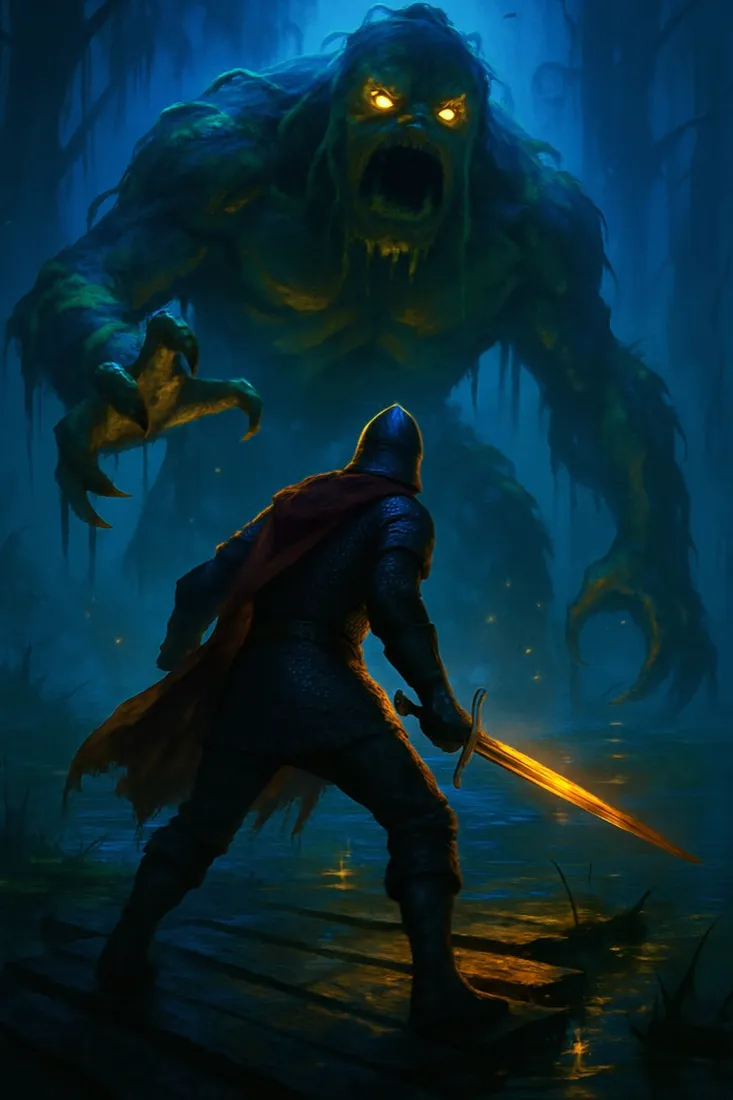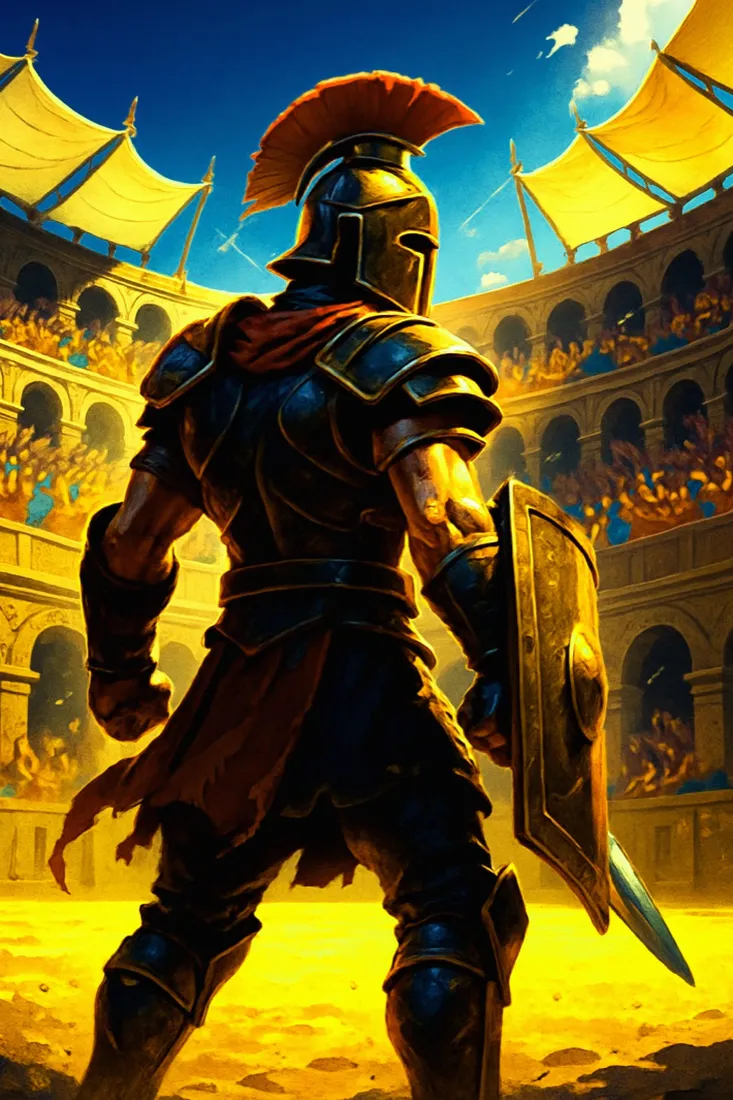
Gladiatus puts you in sandals in the Roman Empire, a would-be gladiator with a sword, a few coins and a great deal to prove. The game is built on short cycles. You send your fighter on an expedition, fight in the arena, delve into a dungeon, and then wait for each activity’s timer to refresh before going again. It is a simple loop, and a very easy one to keep up with.
Fights resolve automatically, so the decisions are about preparation: what you wear, how you train and who you choose to face. Gameforge promises over a hundred unique opponents on expeditions and more than a thousand items to equip, and both claims felt fair during our time. It is the most compact game on our list, and the one most clearly designed for a busy, competitive player.
Expeditions: little trips with big loot
Expeditions are the backbone of the early game. You travel to a location, pick an opponent and fight it, coming back with experience, gold and sometimes a useful item. Each opponent has its own strengths and weaknesses, so learning which ones your character can beat is part of the fun. Once a fight is done, a cooldown must pass before you can head out again.
This is the game’s natural rhythm, and it works well for short visits. A few minutes at breakfast, a few at lunch, a few in the evening keeps your gladiator moving. Expeditions stay useful for experience and equipment for a long time, and they are the easiest way to build a character before tackling the arena and dungeons. It is not deep, but it is pleasantly compulsive.
The arena and the Circus Turma
The arena is where Gladiatus earns its name. You fight other players in rounds that resolve automatically, climbing as you win and testing your equipment against real opponents rather than scripted monsters. Choosing whom to challenge is a small game of its own, weighing an opponent’s strength against what you stand to gain, and the rivalry gives the game its competitive bite.
The Circus Turma is a second form of arena combat in which your whole team fights rather than your gladiator alone. Like the main arena it runs on a cooldown, and it adds a welcome layer of planning, since a strong team is more than one well-equipped fighter. Together, the two arenas make Gladiatus the most player-versus-player focused game on our list.
Dungeons, guilds and a thousand items
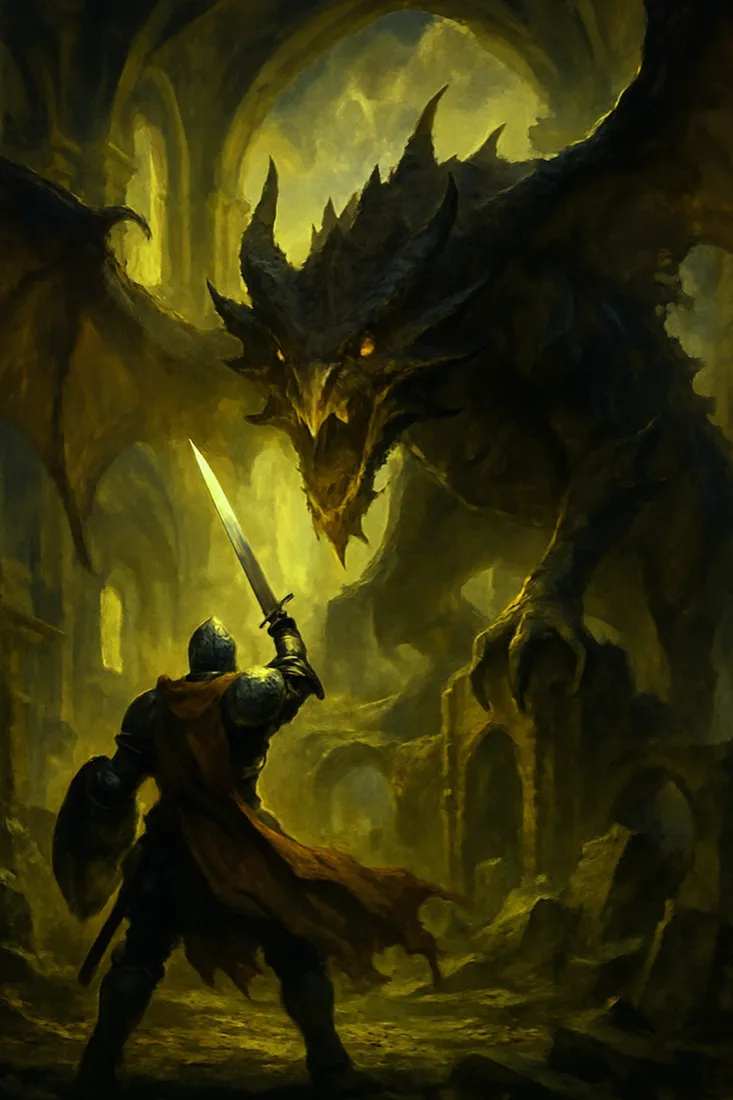
Dungeons are the next step up. They contain sequences of tougher opponents and bosses, and they drop better gear and more gold than expeditions. Like everything else in Gladiatus they run on a timer, so you work through them a fight or two at a time. Clearing a full dungeon feels like a real milestone, and the rarer loot it brings is a large part of the game’s pull.
With over a thousand items in the game, kitting out your gladiator is a long-term project, and trading through the market adds an economy for those who enjoy it. Guilds let you band together with friends, combine your strengths and fight alongside them in guild wars. These features give the simple timer loop some longer goals, though they never quite turn it into a deep game.
Where the timers start to bite
The trouble with a game built on timers is that the timers become the point. Gladiatus’s premium currency speeds things up, and the advantage it offers is more visible than in the other timer game on our list, Shakes & Fidget. A free player can enjoy the early and middle game comfortably, but competing at the top of the arena without spending is a stiff challenge.
That is reflected in our Free-path fairness score of five, the lowest on our list. Character depth also scores modestly, because the automatic fights and straightforward systems offer less to think about than our top picks. What Gladiatus does well, it does very well: it is quick, clear and competitive, and its Roman setting is a nice change from generic fantasy.
Your first week on the Gladiatus trail
- Run expeditions every time the cooldown clears; they are your main source of early experience and gear.
- Learn which expedition opponents suit your character and focus on the ones you reliably beat.
- Invest early gold in training and solid equipment before chasing arena rankings.
- Try your first dungeon once expeditions feel easy, and keep returning to it as timers allow.
- Join a guild by the week’s end for advice, company and a part in guild wars.
What we love
- Quick, clear sessions that fit easily into a working day
- Two arenas that give real competitive rivalry
- A Roman setting that stands out from generic fantasy
- Plenty of gear to chase across expeditions and dungeons
What grates
- The premium currency offers a clear arena advantage
- Automatic fights and simple systems limit long-term depth
- Timers can start to feel like the main event
Whose quest is Gladiatus?
Gladiatus is for competitive players who want a quick daily habit rather than a sprawling world. If you enjoy arena rivalry, like chasing gear and have only short windows to play, its tight Roman loop is a lively way to fill them.
Gladiatus at the end of the trail
Gladiatus is the leanest game on our shortlist, and it knows it. Expeditions, arenas and dungeons on short timers make for a crisp, competitive routine, and the Roman setting gives it character. The systems are shallow next to our top picks, and the premium currency weighs heavily at the top of the arena. As a quick daily contest, though, it is still good company.